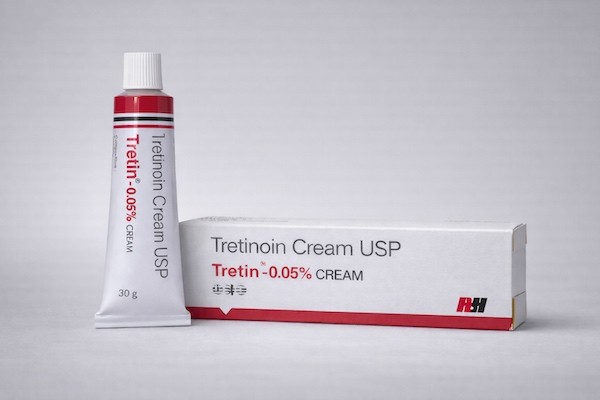
Tretin 0.05% Cream
TretinoinFrom$6.00– $30.00
Tretin 0.05% cream is a mid-strength retinoid containing vitamin A derivative used to treat acne, fine lines, and uneven skin tone. It accelerates skin cell turnover to clear blocked pores and improve texture.
1
Verified pharmacy
Discreet packaging
Worldwide shipping
About this product
What Is Tretin 0.05% Cream?
Tretinoin cream 0.05 contains tretinoin as its active ingredient. Tretinoin is a derivative of vitamin A used directly on the skin. It comes in cream form and is applied to the face or affected skin area. Most patients asking about tretinoin cream 0.05 are also suitable candidates for the 0.05 strength.
What Is Tretinoin Cream 0.05 Used For?
Tretin 0.05% cream is used for several common skin conditions. It is widely used for acne treatment, helping to clear blocked pores and reduce breakouts. Doctors also prescribe it for fine lines, uneven skin tone, and sun-damaged skin. Some recommend it for hyperpigmentation and rough skin texture. It works for teenagers dealing with acne and adults seeking skin improvement.
How Does It Work?
Tretinoin speeds up the skin's natural cell turnover process. Old skin cells shed faster and new cells come to the surface more quickly. This unblocks pores and reduces the buildup that causes acne. For ageing skin, faster cell renewal means smoother texture and more even tone over time. Results are visible but take consistent use over several weeks.
In What Strengths Is It Available?
Tretin cream is available in different strengths for different skin needs. The 0.025 strength is usually the starting point for sensitive skin or first-time users. Tretinoin cream 0.05 sits in the mid-range. Higher strengths are available for more advanced cases when a doctor recommends them. Your prescriber will decide which concentration suits your skin type and condition.
How to Use Tretin 0.05% Cream?
Wash your face with a gentle cleanser and pat it dry before applying. Wait at least 20 to 30 minutes after washing before applying the cream. Apply a thin layer to the affected area once daily, usually in the evening. Avoid the area around the eyes, mouth, and nostrils.
Do not apply more than directed. Using extra does not improve results and increases irritation. Sun exposure increases sensitivity, so apply sunscreen during the day while using this product.
Most patients starting tretinoin cream 0.05 notice dryness or peeling in the first two to four weeks. This is normal and usually settles as skin adjusts to the retinoid. Do not stop using it at this stage unless irritation becomes severe.
What Are the Side Effects?
Side effects are common during the first weeks of use. Most are mild and reduce over time.
Common side effects:
- Skin dryness and flaking
- Redness and mild irritation
- Burning or stinging after application
- Increased sensitivity to sunlight
- Skin peeling
Less common or serious side effects:
- Severe skin blistering or swelling
- Intense redness across a large area
- Skin crusting or open sores
If you experience severe blistering or swelling of the face after applying tretinoin, stop using it and get medical attention. Speak to a doctor before starting or changing your tretinoin use.
Who Should Not Use Tretinoin Cream 0.05?
Tretinoin cream 0.05 is not suitable for everyone. Pregnant women should not use it, as tretinoin carries known risk during pregnancy. People with sunburned, broken, or eczema-affected skin should wait until the skin has healed before applying it. If you have a known allergy to tretinoin or any vitamin A derivative, avoid this product entirely.
Those using other exfoliating or retinoid-based products at the same time should speak to a doctor first. Combining them increases the risk of irritation.
You should store tretinoin cream in a cool, dry place away from direct sunlight and heat. Keep it out of reach of children. Do not freeze the cream.
Order tretinoin cream 0.05% for a reasonable price at Fertimeds.
Medical Disclaimer
This product is intended for use by adults only. Always read the label and follow the directions for use. If symptoms persist, worsen, or if you have any concerns, consult your healthcare professional. Do not use this product if you are pregnant, breastfeeding, or have a known medical condition without prior medical advice. Keep out of reach of children. This product is not a substitute for professional medical advice, diagnosis, or treatment. Results may vary between individuals.